
Domestic abuse support for deaf and hard of hearing people, in BSL and English
If someone is hurting, controlling or frightening you, you are not alone and it is not your fault. CDA’s deaf specialist team supports deaf and hard of hearing people safely and confidentially, in British Sign Language or English, across Cambridgeshire and Peterborough.
In an emergency, call 999. If you cannot make a voice call, text 999 (you need to register for emergency SMS first). If it is not safe to talk, call 999, then press 55 when asked.
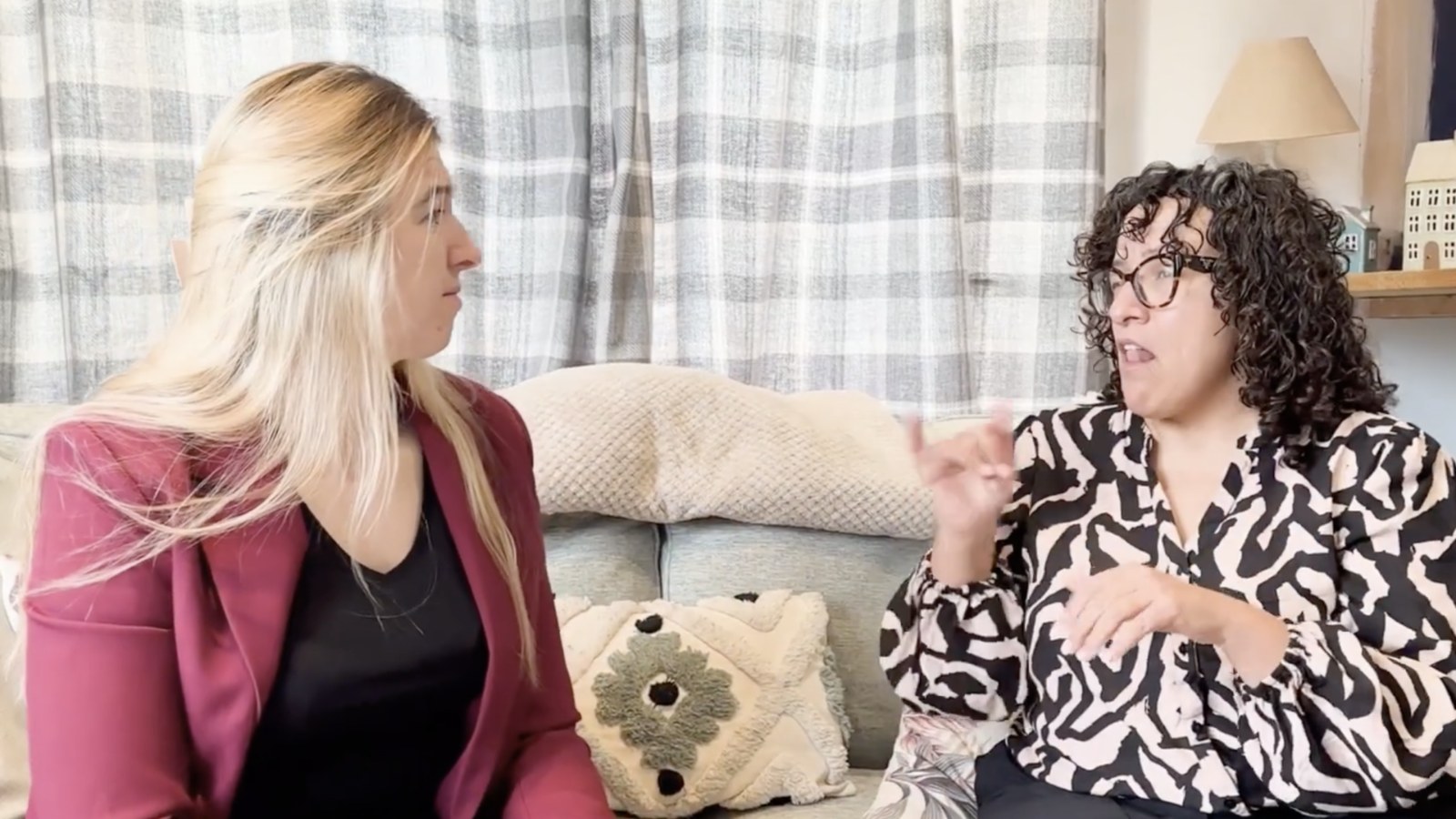
Specialist support for deaf and hard of hearing people
Deaf people are twice as likely to experience domestic abuse, and far less likely to be heard when they ask for help. CDA runs one of only a couple of face-to-face domestic abuse services for deaf people in the UK.
Independent Domestic Abuse Advisors
Two qualified, deaf-specialist IDVAs who support women and men in high-risk and complex cases. Both are native or fluent BSL users.
About our advisors →The Freedom Programme
A confidential course in BSL, adapted with Women’s Aid, that helps you recognise the warning signs, plan for safety and understand that the abuse is not your fault.
About the course →Information, videos and training
Our Signs of Safety video series explains abuse in BSL, and we run workshops with Cambridge Women’s Aid for anyone who wants to know how to respond when someone says they are being abused.
Watch the videos →Independent Domestic Abuse Advisors
CDA employs two qualified Independent Domestic Abuse Advisors (IDVAs) who work across Peterborough and Cambridgeshire. They bring years of experience of supporting victims in high-risk and complex cases.
- Support for women and men who are deaf, hard of hearing or use BSL
- Both advisors are native or fluent BSL users, so you can tell your story in your own language
- Help with safety planning, the police, courts, housing and other services
- Confidential, and you stay in control of every decision

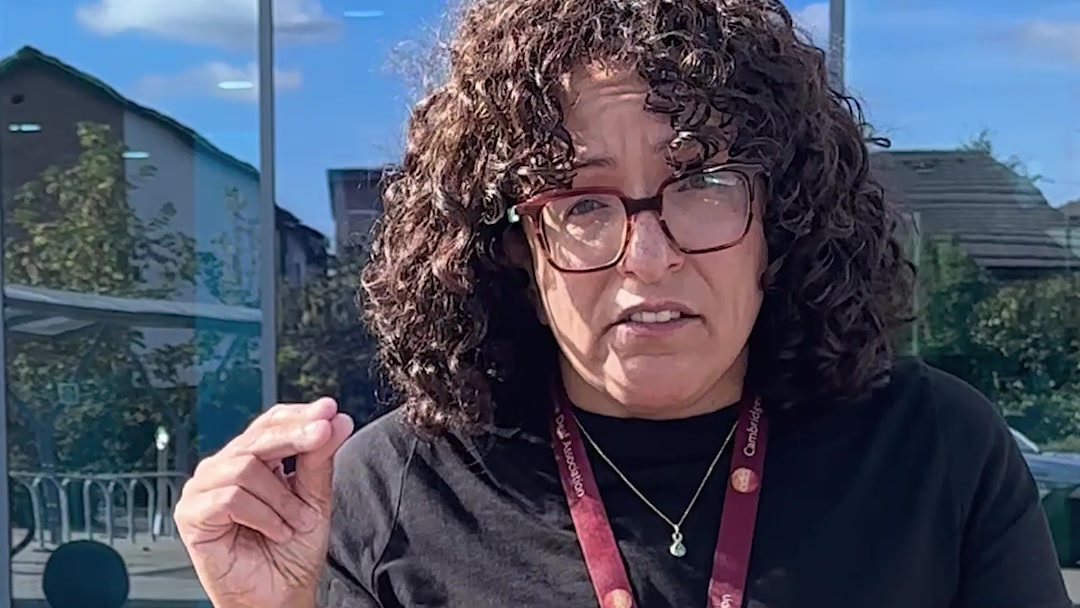
The Freedom Programme
CDA worked with Women’s Aid to adapt the Freedom Programme for deaf women. It is delivered in BSL using visual resources, and is funded each year by the Police and Crime Commissioner.
- Recognise the red flags in a relationship
- Make a safety plan and think about your goals for a safe, happy future
- Understand why abuse happens and that you are not to blame
- Meet other deaf women who understand, in a safe space
The course is completely confidential. We never advertise the time, date or location. To find out about the next course, get in touch with our team.
Signs of Safety: domestic abuse explained in BSL
Our Signs of Safety series, funded by the Police and Crime Commissioner, explains what domestic abuse is, the different types of abuse and the words professionals use. Press play to watch, or open a clip in our Support Library.
Introduction
Introduces CDA’s BSL series on domestic abuse in the Deaf community.
Types of abuse
Physical, financial, emotional, psychological, sexual and technological abuse, stalking and harassment, with acted scenes showing what each can look like.
Jargon buster
The words and terms used around domestic abuse, explained in BSL.
A deaf survivor’s story
“Abi” (name changed) describes financial and coercive control, and why support in BSL from CDA made the difference.
What domestic abuse really is
Gem from CDA talks to Ana from Cambridge Women’s Aid about coercive control, why deaf people are at higher risk, and how to respond when someone tells you.
Abuse of older people
Nadia meets Elizabeth Fox from Hourglass to explain money abuse, misuse of power of attorney and how CDA’s IDVA service now works with Hourglass.
Short clips: pick the question you have
Each clip is one to two minutes long and plays here on this page.
Is this abuse?
- Domestic abuse is about control, not just violence
- Many people don’t realise they’re being abused
- Physical abuse can start small
- Financial abuse: when someone controls your money
- What emotional abuse looks like
- Psychological abuse and gaslighting
- Sexual abuse and coercion in relationships
- Technological abuse: phones, apps and doorbells
- Coercive control: stopping you seeing family
- Stalking: tracking apps and GPS trackers
Getting help
- CDA’s confidential domestic abuse support
- CDA’s deaf specialist IDVA service
- Deaf and experiencing domestic abuse: the first step (Cambridgeshire Police)
- Support continues after you leave
- Afraid to tell anyone about abuse?
- Contacting Hourglass in BSL (older people)
- Domestic abuse support, in Latvian Sign Language
- Being tracked with consent vs without consent
Real stories and helping others
- A deaf survivor on financial and coercive control
- Why specialist deaf abuse support matters
- Why deaf victims struggle to be heard
- Deaf people are twice as likely to experience domestic abuse
- Why how you respond to a disclosure matters
- What to say if someone tells you they’re being abused
- Case study: coercive control by a stepson
- Children and family can ask for help too
39 videos and clips about domestic abuse and safeguarding are in our Support Library, alongside nearly 300 more on health, police, money, work and school.
Open the Support LibraryLatest news about domestic abuse
Stories, events and campaigns from CDA’s domestic abuse work.
-
Responding to Domestic Abuse Disclosure: free workshop returns on 12 February
Our free Responding to Domestic Abuse Disclosure workshop with Cambridge Women’s Aid runs again on Friday 12 February 2027, 10am to 3pm,…
-
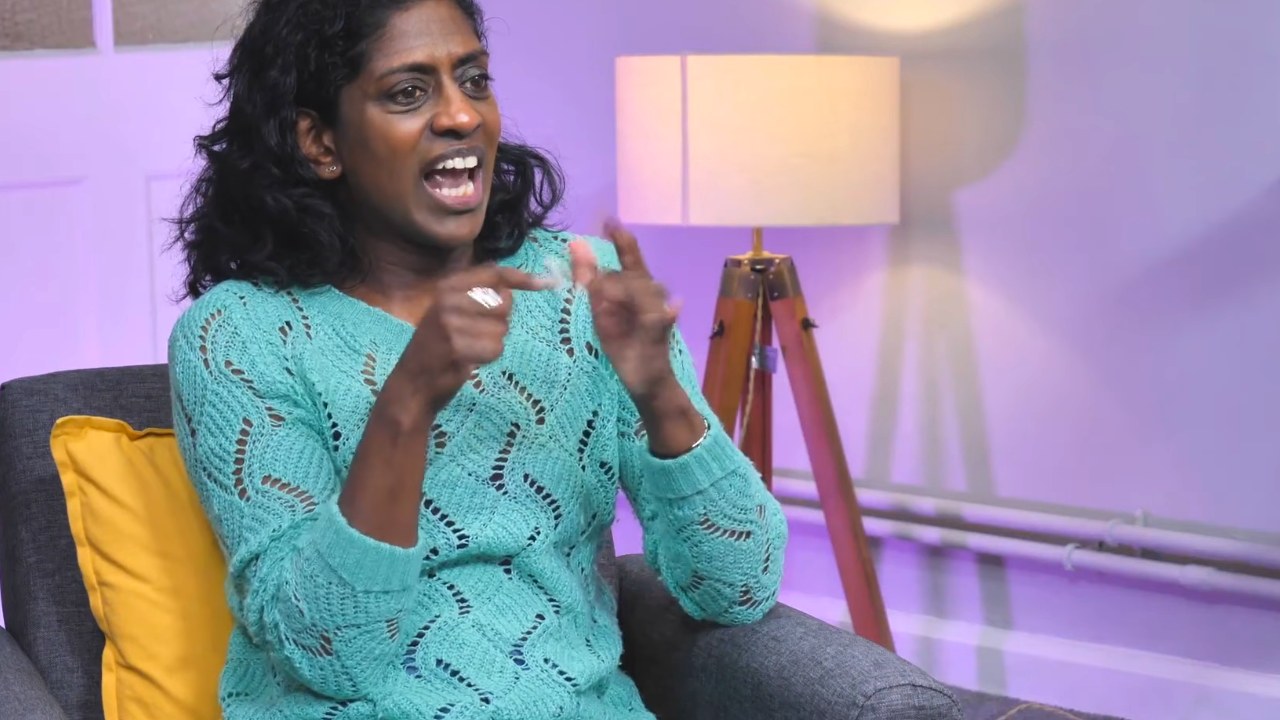
Thrive Live: five years on from Sarah Everard, do deaf women feel safe?
Five years on from the murder of Sarah Everard, the latest Thrive Live asks whether deaf women feel any safer, and whether…
-
What would you do if a friend told you they were being abused?
Cambridgeshire Deaf Association and Cambridge Women’s Aid are running a free workshop on responding to domestic abuse disclosure, with BSL and captions,…
-
New British Sign Language video series launched to support deaf victims of domestic abuse
Cambridgeshire Deaf Association has launched the first video in its new Signs of Safety series, giving deaf people access to vital domestic abuse information…
Other organisations that can help
We work alongside these services. If you are deaf, we can help you contact any of them with an interpreter.
National Domestic Abuse Helpline
Free, 24 hours a day, run by Refuge. Call 0808 2000 247, or use the live chat on their website.
nationaldahelpline.org.ukSignHealth Domestic Abuse Service
A national domestic abuse service for deaf people, with support in BSL.
signhealth.org.ukCambridge Women’s Aid
Refuge, outreach and community support for women and children in Cambridge and the surrounding area. Will refer deaf people to CDA.
cambridgewa.org.ukMen’s Advice Line
Confidential support for men experiencing domestic abuse. Call 0808 801 0327.
mensadviceline.org.ukHourglass
Support for older people (60+) experiencing abuse, including financial abuse and misuse of power of attorney. Can arrange BSL interpreters.
wearehourglass.orgCambridgeshire & Peterborough DASV Partnership
Local information on domestic abuse and sexual violence services across the county.
cambsdasv.org.ukReady when you are
You do not have to decide anything today. Book a confidential meeting with our domestic abuse team, refer yourself, or contact CDA in whichever way suits you.
Other ways to contact us
Email office@cambsdeaf.org, call 01223 246237, use the contact form, or talk to us at a drop-in. Professionals can refer on someone’s behalf using the same referral form.

A commissioned service
CDA’s domestic abuse service is commissioned and funded by the Cambridgeshire Police and Crime Commissioner.
We also work closely with the Cambridgeshire and Peterborough Domestic Abuse and Sexual Violence (DASV) Partnership, and we are one of only a couple of face-to-face domestic abuse services for deaf people in the UK.
